When it comes to vehicle sharing, confidence on the road starts with understanding the protection available to you. TURO has become one of the most popular car-sharing platforms, allowing vehicle owners to earn income from their cars while giving travelers flexible rental options. However, every trip comes with certain risks, making insurance and protection plans an essential part of the experience. Whether you’re hosting your vehicle or renting one for a road trip, knowing how TURO’s coverage options work can help you avoid unexpected costs and complications. From liability protection to damage coverage, TURO offers different plans designed to suit various budgets and preferences. Understanding these plans before booking a vehicle allows renters and hosts to make informed choices and travel with greater peace of mind. By learning about the available protection options, coverage limitations, and claims process, users can enjoy a smoother experience while reducing financial uncertainty throughout their journey.
Why Protection Plans Matter for Every TURO Trip
Renting a vehicle through TURO can provide convenience and flexibility, but it also involves responsibilities that should not be overlooked. Even experienced drivers can encounter accidents, weather-related incidents, or unexpected damage during a rental period. Having a suitable protection plan helps reduce the financial burden associated with these situations. Insurance coverage can assist with repair costs, liability concerns, and other expenses that might arise after an incident. Without adequate protection, renters could face significant out-of-pocket costs that quickly turn an enjoyable trip into a stressful experience. A well-chosen protection plan offers reassurance and allows travelers to focus on their destination rather than potential risks. It also helps both renters and hosts feel more secure throughout the rental process, creating a better overall experience for everyone involved.
Overview of TURO’s Available Coverage Options
TURO provides several protection plans designed to accommodate different rental needs and budgets. The Minimum Protection Plan is often selected by users looking for basic coverage at a lower cost, though it includes higher deductibles and more financial responsibility in the event of damage. The Standard Protection Plan offers a balance between affordability and coverage by providing improved liability protection and reduced deductibles. For renters seeking the highest level of protection, the Premium Protection Plan delivers more extensive coverage with lower out-of-pocket expenses if an incident occurs. These options allow users to select a plan that aligns with their comfort level and travel requirements. By offering multiple tiers of protection, TURO ensures that renters can choose the amount of coverage that best matches their individual circumstances.
Understanding What Each Protection Plan Covers

Each TURO protection plan includes different levels of coverage and varying limitations. The Basic or Minimum option typically focuses on essential liability protection while leaving renters responsible for a larger share of repair costs if damage occurs. The Standard plan increases coverage limits and decreases the financial responsibility associated with accidents or theft-related situations. The Premium plan offers the broadest protection and is designed for renters who want the greatest level of security during their trip. Despite these differences, all plans include specific conditions and exclusions that users should review carefully before booking. Factors such as driver eligibility, approved driving locations, and vehicle usage restrictions may affect coverage. Understanding these details ahead of time helps prevent surprises and ensures expectations align with the chosen plan.
Selecting the Best Plan for Your Rental Needs
Choosing the right protection plan begins with evaluating your travel habits and risk tolerance. Renters who occasionally book vehicles for short trips may find a basic plan sufficient, while those renting premium vehicles or planning longer journeys may prefer enhanced coverage. It’s also important to compare deductible amounts, as lower deductibles generally result in less financial exposure if damage occurs. Reviewing any personal auto insurance policies can be helpful as well, since some policies may extend limited coverage to rental vehicles. Reading plan details carefully and understanding exclusions can help avoid misunderstandings later. Additionally, customer feedback and rental experiences can provide useful insights into how different plans perform in real-world situations. Taking the time to compare options can lead to a more confident and informed decision.
Steps to Submit a Claim Through TURO
If an accident or damage occurs during a rental, initiating a claim with TURO requires prompt action and accurate documentation. Users should first access their TURO account and locate the relevant trip information. Gathering photographs of any damage, collecting details about the incident, and documenting the circumstances can strengthen the claim process. After compiling the necessary information, renters should contact TURO’s claims team through the platform and provide all requested evidence. The claims representatives may ask additional questions to better understand the situation before proceeding. Processing times can vary depending on the complexity of the case, so maintaining communication and monitoring updates is recommended. Staying organized and responsive throughout the process can help ensure a smoother resolution.
Practical Ways to Enjoy a Smooth TURO Experience
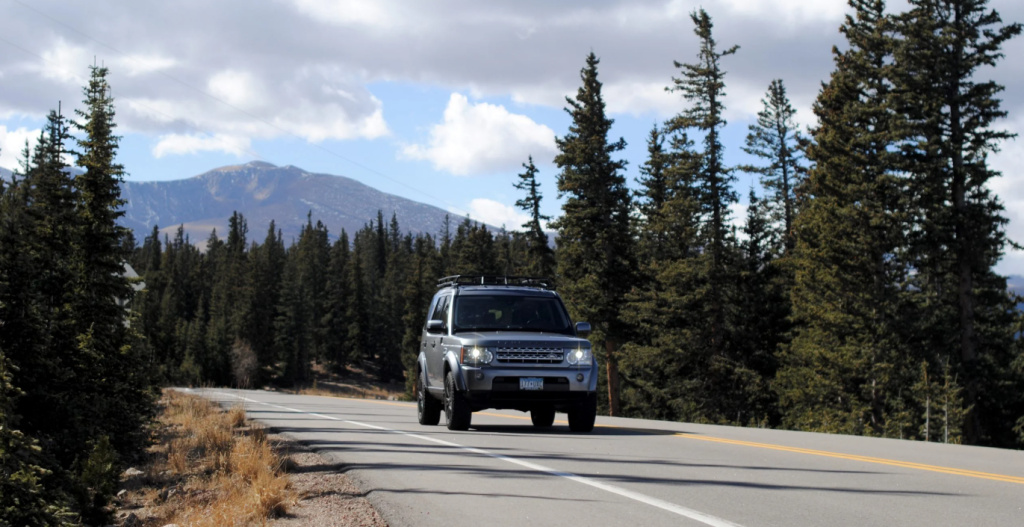
A successful rental experience often depends on preparation and communication. Before starting a trip, renters should connect with the vehicle host to clarify any questions about the car and its features. Conducting a thorough inspection and taking clear photographs at pickup and return can help document the vehicle’s condition and reduce the likelihood of disputes. Drivers should also familiarize themselves with local traffic regulations, especially when traveling in unfamiliar regions. Planning routes in advance and using reliable navigation tools can improve convenience and help avoid delays. Returning the vehicle on time is equally important, as late returns may result in additional charges. Keeping emergency contact information accessible throughout the rental period can also provide added reassurance should unexpected situations arise.
Making the Most of TURO’s Insurance and Protection Features
A clear understanding of TURO’s insurance and protection plans can significantly improve the overall rental experience. Each coverage option is designed to address different needs, giving renters the flexibility to choose a level of protection that matches their circumstances and budget. Knowing what is included, understanding potential limitations, and being familiar with the claims process can help users navigate unexpected events more effectively. Renters who take the time to review available plans often feel more confident and prepared when using the platform. Whether selecting a basic option for a short trip or comprehensive protection for an extended journey, informed decisions contribute to a safer and more predictable experience. By utilizing the protection features available through TURO, users can focus more on enjoying their travels and less on potential risks along the way.